

L’impegno civico e la partecipazione alla vita democratica saranno sempre più al centro dei partenariati di cooperazione transnazionale nel settore dell’Istruzione superiore. Come priorità trasversali di Erasmus+, questi valori rappresenteranno non solo il motore pulsante delle future iniziative didattiche, ma contribuiranno a migliorare tutta la società civile, con ricadute reali in diversi ambiti, dal mondo dell’arte alle soluzioni contro il fenomeno dell’overtourism, dall’impegno intergenerazionale a quello di contrasto alle idee populiste e alle fake news, fino allo sport e alla creatività.
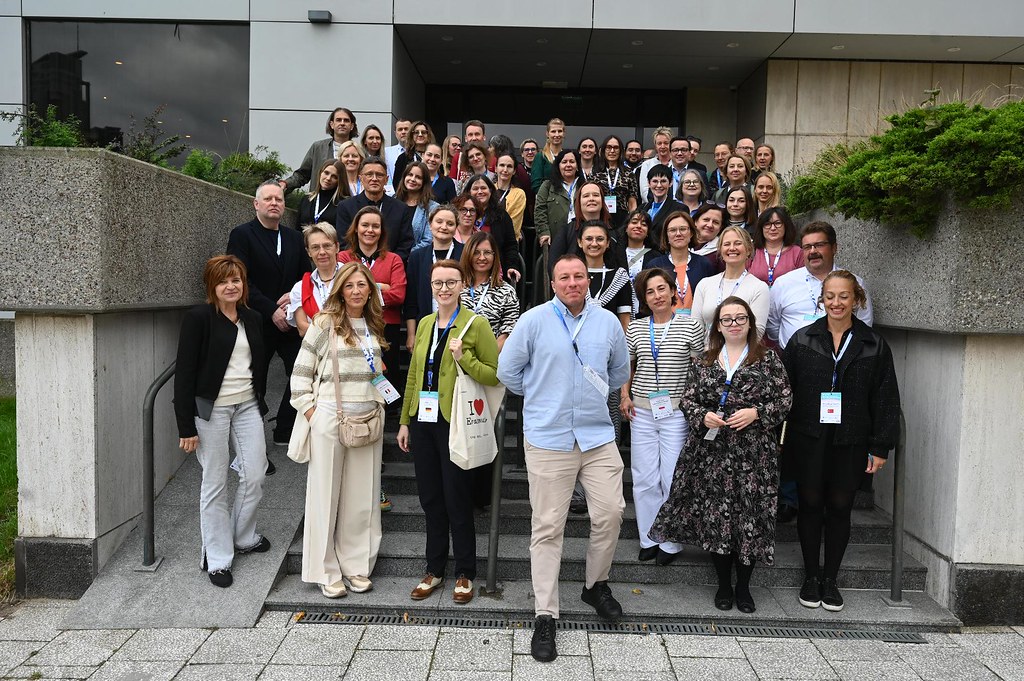
Lo dimostra, in maniera concreta, l’evento EU-Engage: Promoting Civic and Democratic Engagement in Higher Education, in scena dal 29 settembre al 1° ottobre 2025 a Gdynia, città del nord della Polonia. Organizzato dall’Agenzia nazionale della Polonia FRSE–Foundation for the Development of the Education System come una delle tappe del 2025 del progetto di lungo termine PEACE+, incentrato sul civic engagement e i valori europei e coordinato dall’Agenzia nazionale INDIRE, il seminario TCA ha visto la presenza di 67 partecipanti da 11 paesi europei (Belgio, Repubblica Ceca, Germania, Danimarca, Estonia, Spagna, Italia, Polonia, Portogallo, Svezia e Turchia), oltre al Canada.
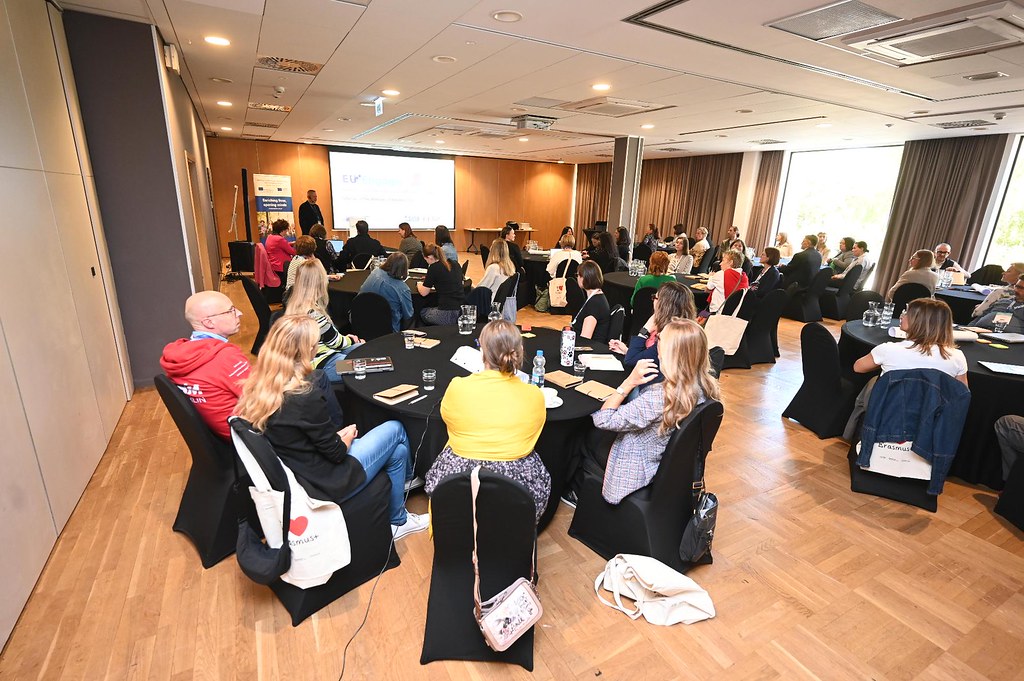
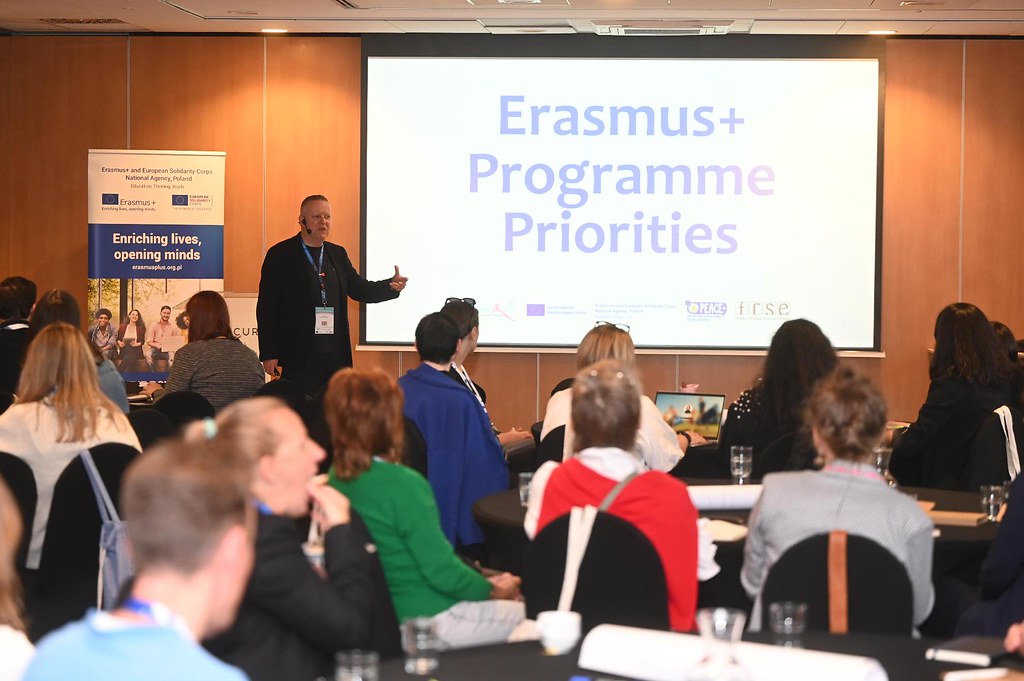
L’evento di scambio, partnership e capacity building mirava a riunire i principali attori del settore dell’istruzione superiore per riflettere su come promuovere in modo più efficace la Partecipazione alla vita democratica, i valori comuni e l’impegno civico, come priorità orizzontale del programma Erasmus+.
Le attività durante i tre giorni sono state infatti concepite per facilitare lo sviluppo di partenariati e l’avvio e il progresso di idee progettuali rilevanti per l’impegno civico e democratico nell’istruzione superiore. Per raggiungere l’obiettivo, l’evento si è sviluppato sulle fasi di ispirazione, ideazione, collaborazione e preparazione, con lo scopo di guidare i partecipanti attraverso le discussioni necessarie e le fasi iniziali di sviluppo dei progetti in tale ambito.
Durante la sessione finale sono state poi presentate diverse idee di progetto. É emerso un chiaro interesse e una volontà di impegnarsi da parte dei partecipanti in futuri partenariati di cooperazione, visto che otto progetti sui dieci esposti sono stati al centro di discussioni e presentazioni continue fino al termine dell’evento di Gdynia. Ora, la speranza degli organizzatori è che le idee maturate dal lavoro di squadra a livello transnazionale trovino spazio in futuro e che possano essere anche presentate nei prossimi anni come buone pratiche nate sotto il progetto PEACE+.
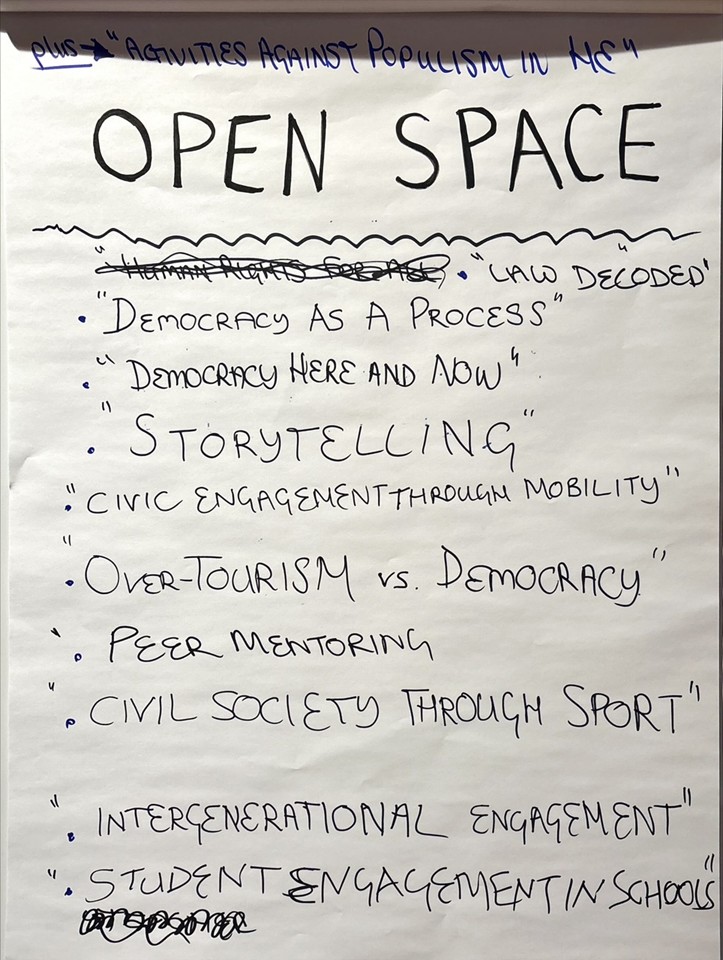
Ecco le otto idee di progetto pensate durante l’evento:
- Riscoprire l’Europa: un nuovo concetto di turismo (idee contro l’overtourism);
- Impegno intergenerazionale: cooperazione tra generazioni per rafforzare l’imprenditorialità europea e gettare le basi di una nuova economia nell’era della crisi demografica;
- Smascherare le idee populiste: strumenti per gli educatori nell’istruzione superiore;
- Comunità in movimento: lo sport per l’impatto civico;
- Democrazia qui e ora;
- Azione civica attraverso la partecipazione alla mobilità – CAMPs;
- Diritti fondamentali; responsabilizzare gli studenti e migliorare le conoscenze attraverso l’arte e la creatività;
- Spazio narrativo per la democrazia.
Entrando nel dettaglio delle attività del seminario, moderato da Paul Guest (QUI l’agenda completa), la prima giornata ha visto i saluti introduttivi di Renata Decewicz, vice direttrice dell’unità Higher Education dell’Agenzia nazionale Erasmus+ e European Solidarity Corps della Polonia, seguita prima dall’intervento di Cristina Bacalso, analista politica e consulente di ricerca indipendente sul tema della partecipazione democratica come priorità trasversale per Erasmus+ (QUI le slide del suo intervento, in inglese), e poi dalla presentazione del progetto PEACE+, in programma fino al 2027. (QUI i materiali del primo giorno, in inglese)
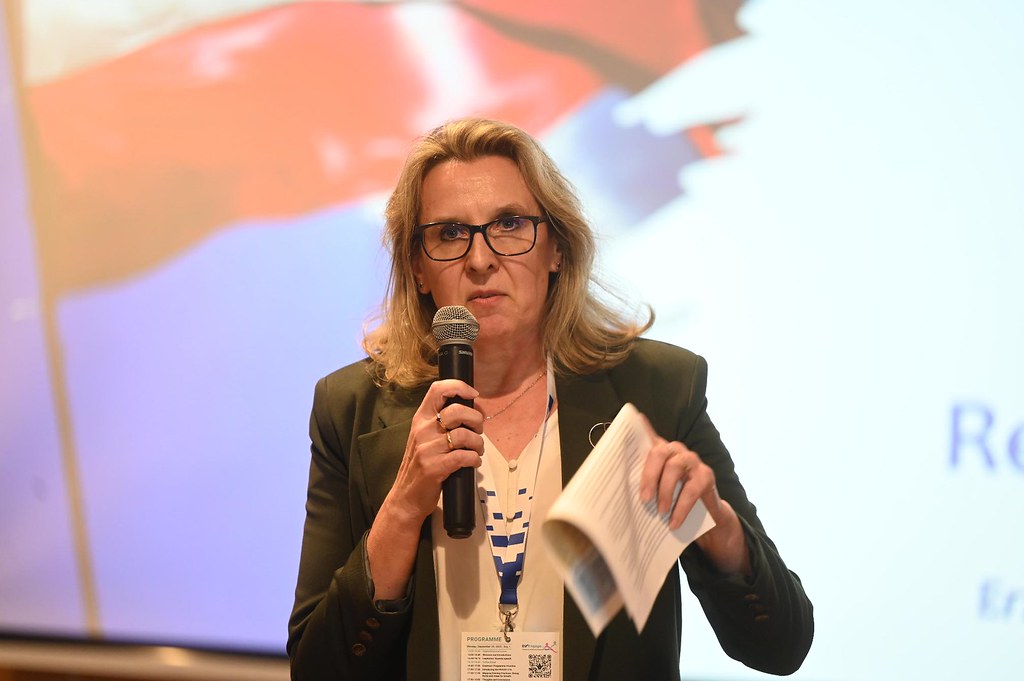
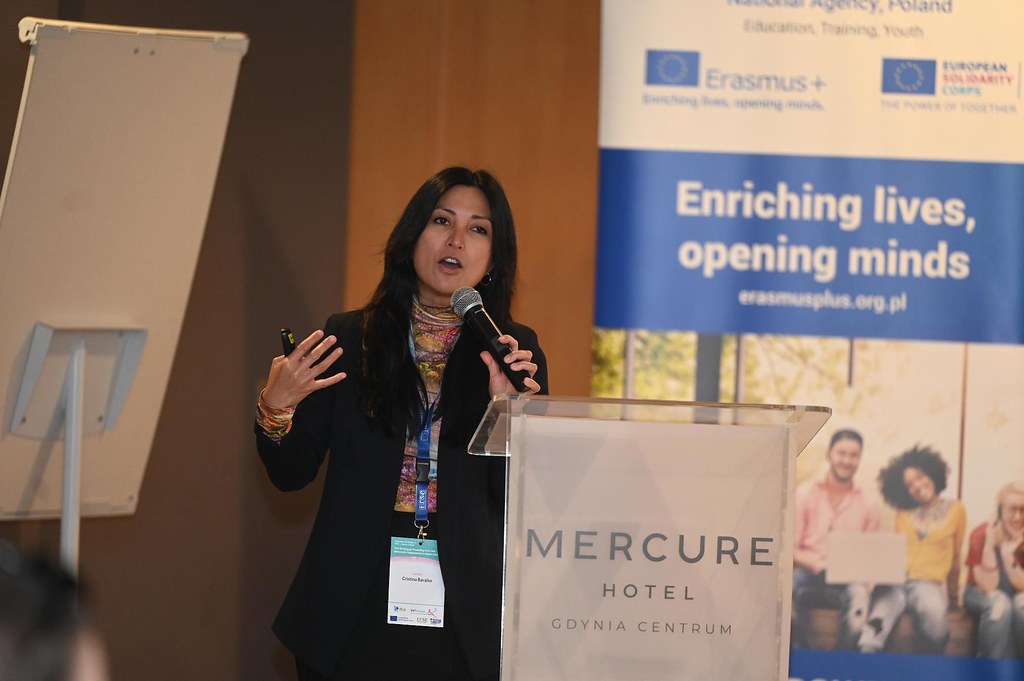
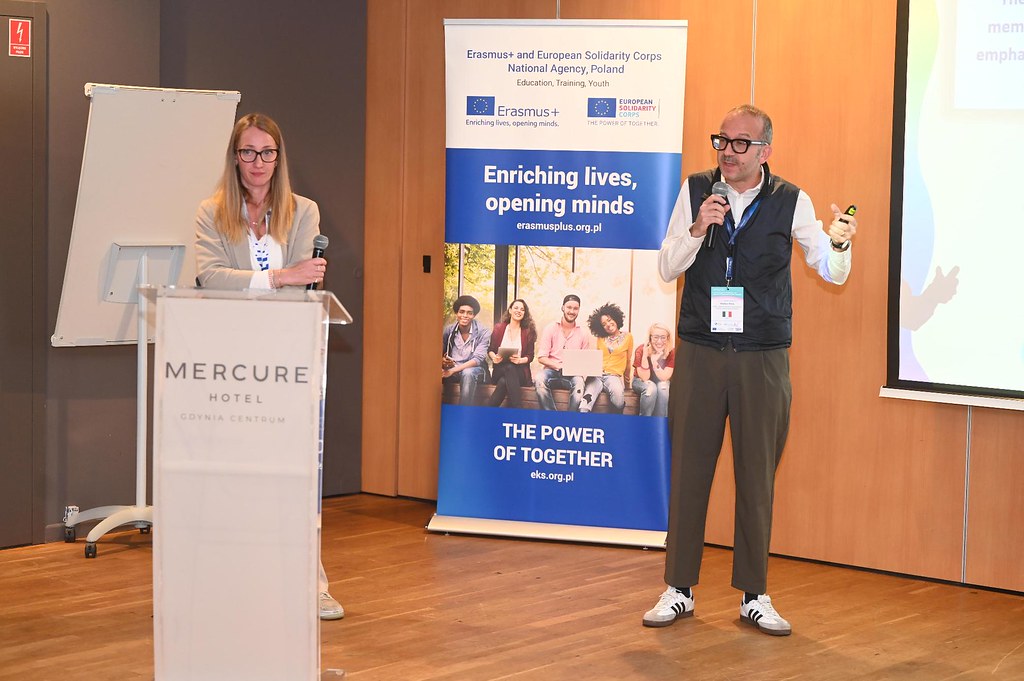
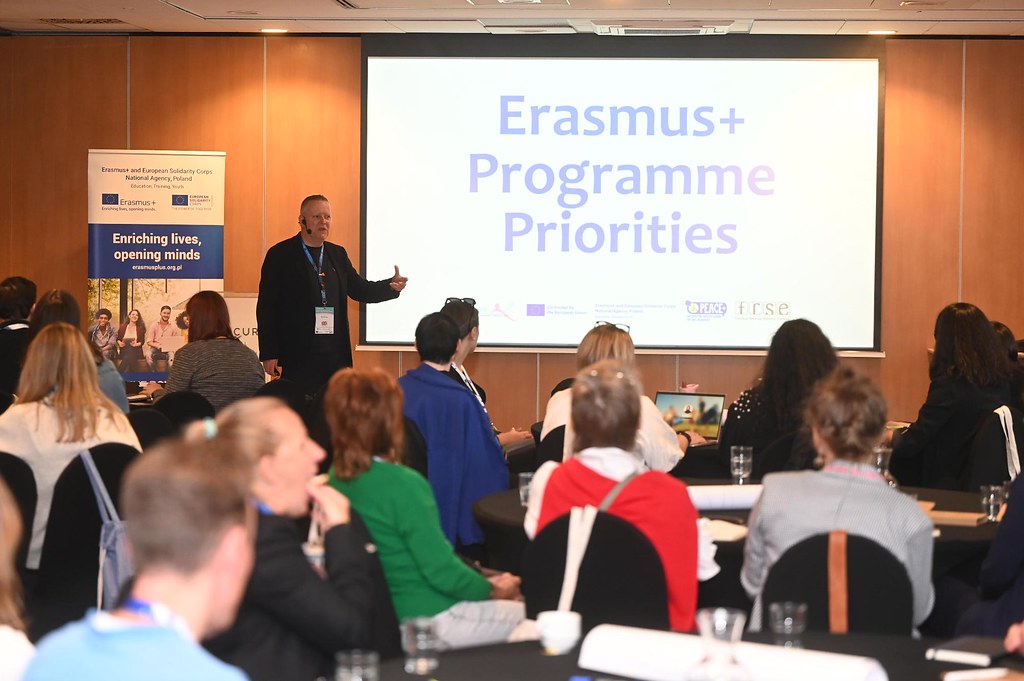
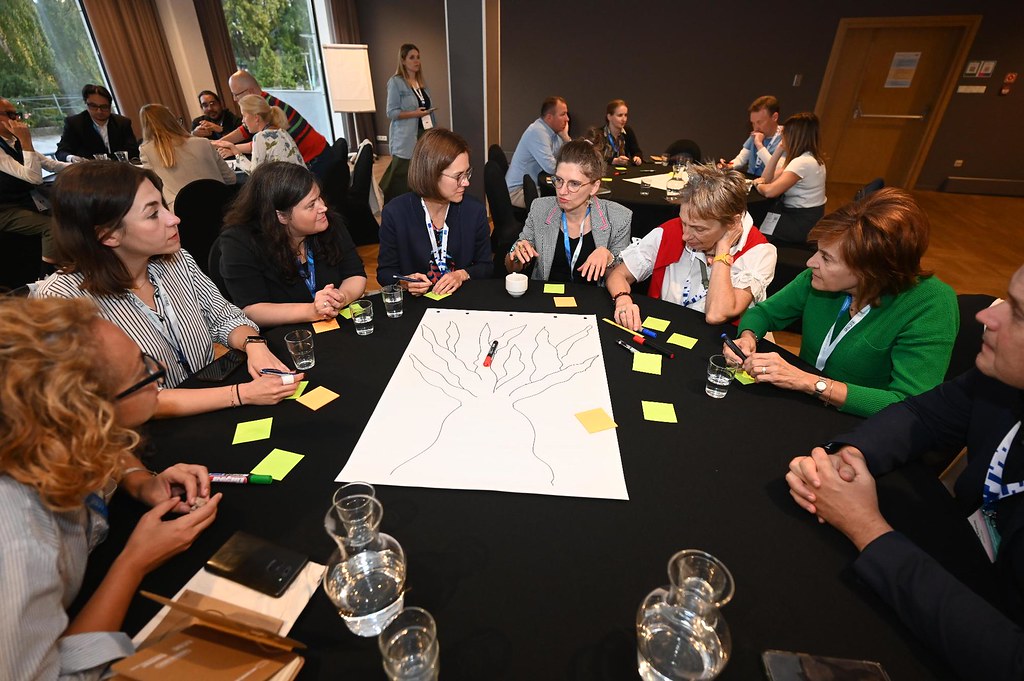
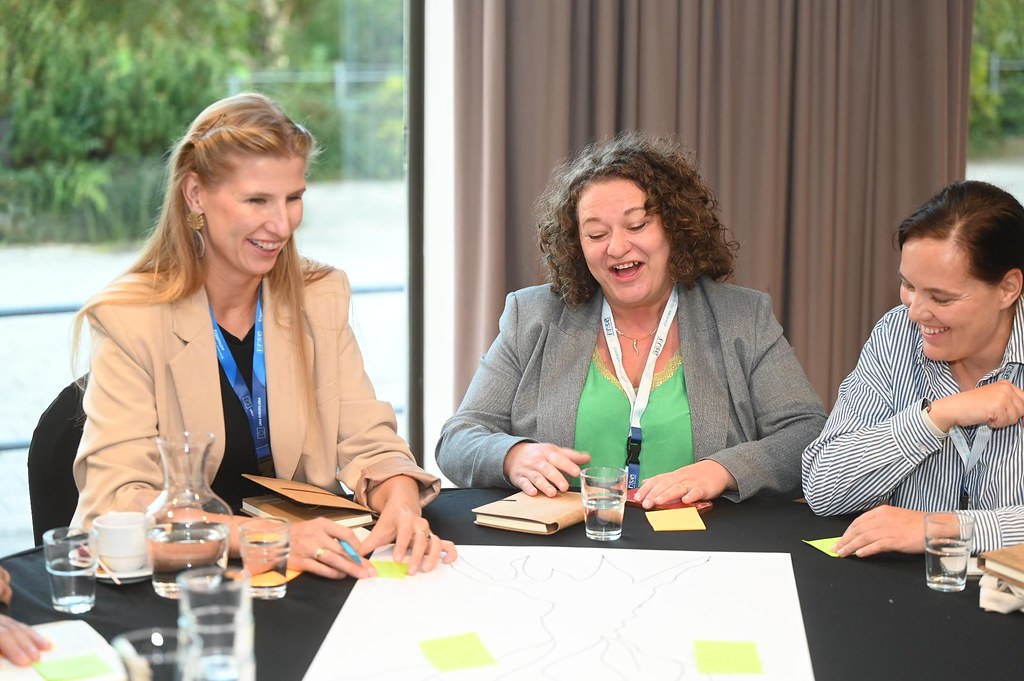
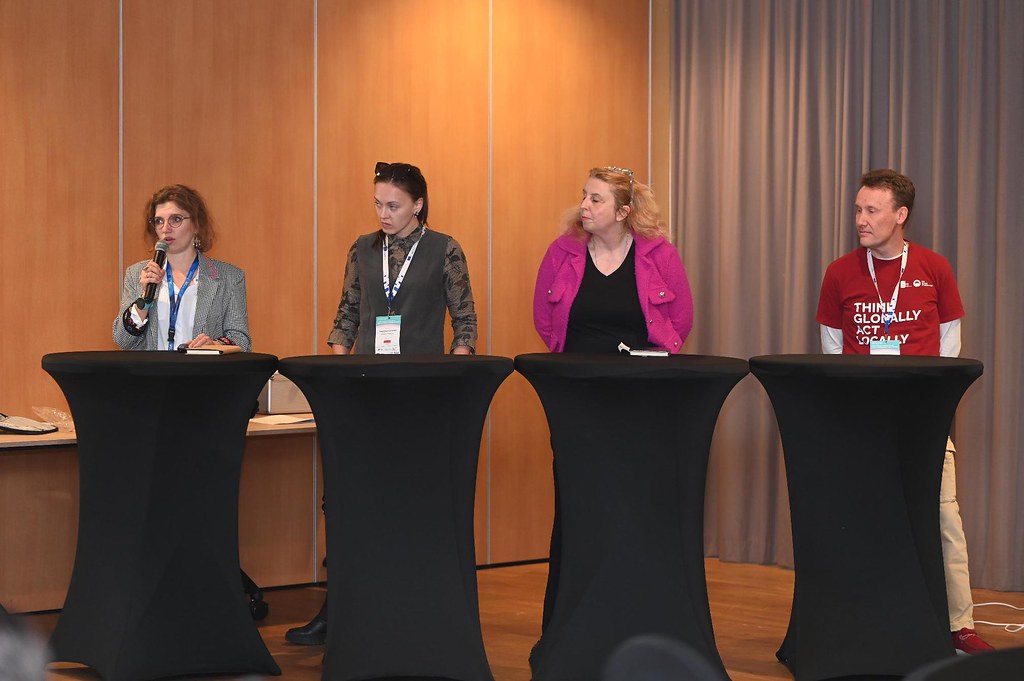
Il giorno successivo, prima di iniziare con i lavori di gruppo tra i vari partecipanti, che hanno discusso idee di progetti reali con potenziali partner in linea con il tema generale dell’evento, spazio a un panel di ispirazione che ha visto la presenza di Agata Komendant-Brodowska dell’Università di Varsavia, che ha parlato di un progetto sull’anti-polarizzazione e per una democrazia migliore e di Katarzyna Kucharska (sempre dell’Università di Varsavia) che ha invece esposto l’iniziativa UNICOMM per la partecipazione attiva della comunità universitaria. Dorota Piotrowska (Università tecnica di Lodz) ha invece presentato un progetto per costruire un ecosistema educativo completo per gli obiettivi di sviluppo sostenibile e Piotr Wołejsza (Science4People), ha invece presentato un progetto di debunking (anti fake news), con l’implementazione di metodi didattici basati sull’intelligenza artificiale e strumenti digitali a sostegno della lotta alla disinformazione. (QUI i materiali della seconda giornata, in inglese)
Nel tardo pomeriggio i partecipanti hanno avuto la possibilità di visitare il Museo dell’emigrazione di Gdynia, con un percorso interattivo che racconta la storia dell’emigrazione dai territori polacchi che si estende su centinaia di anni.
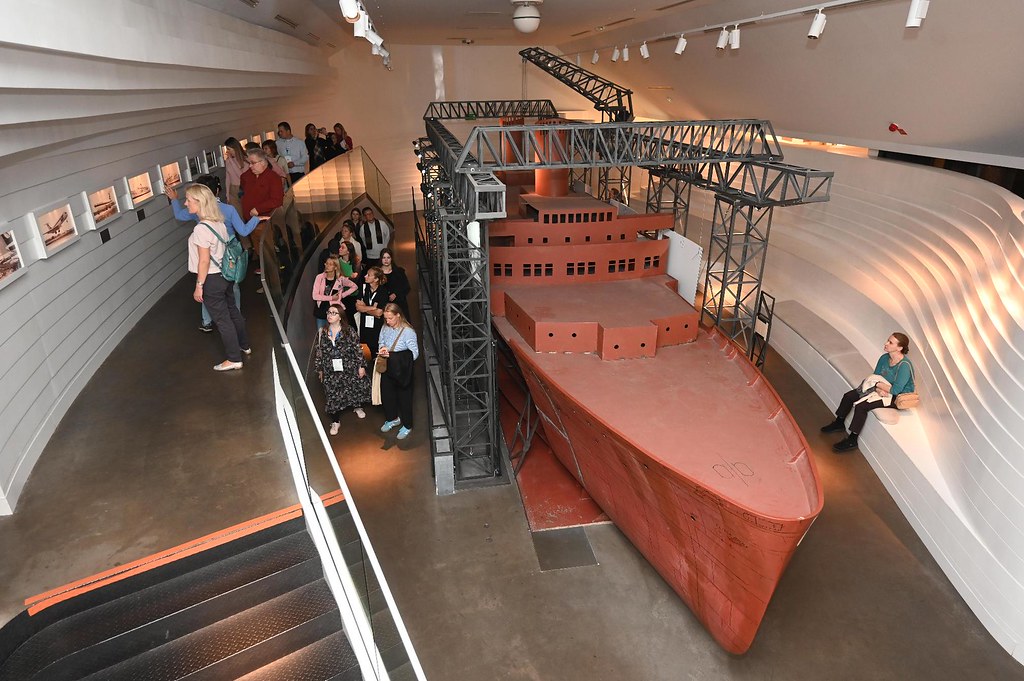
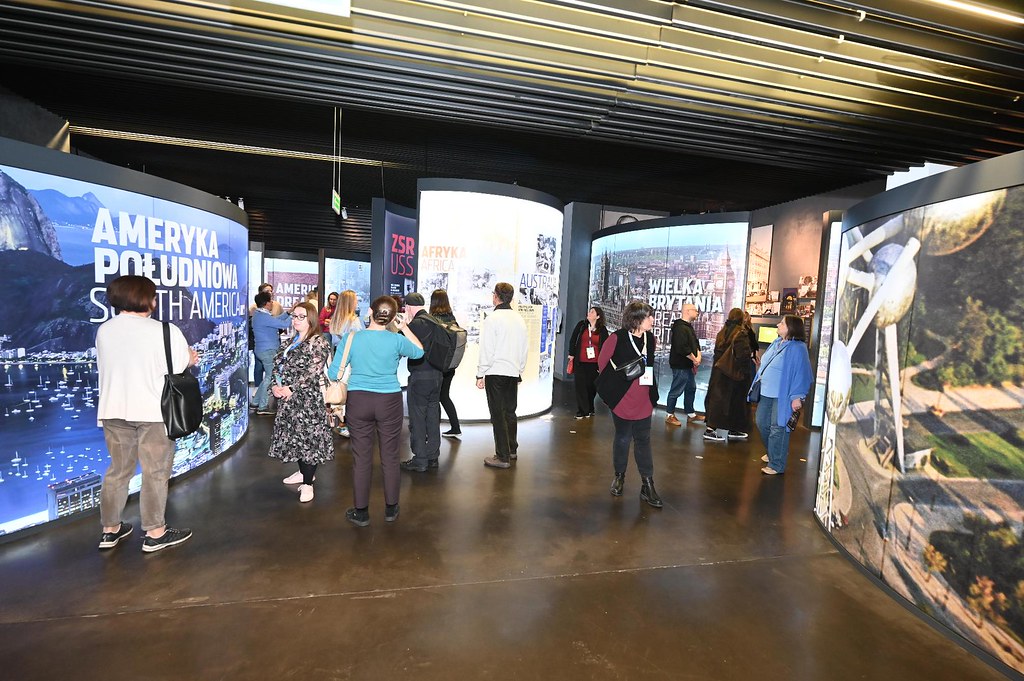
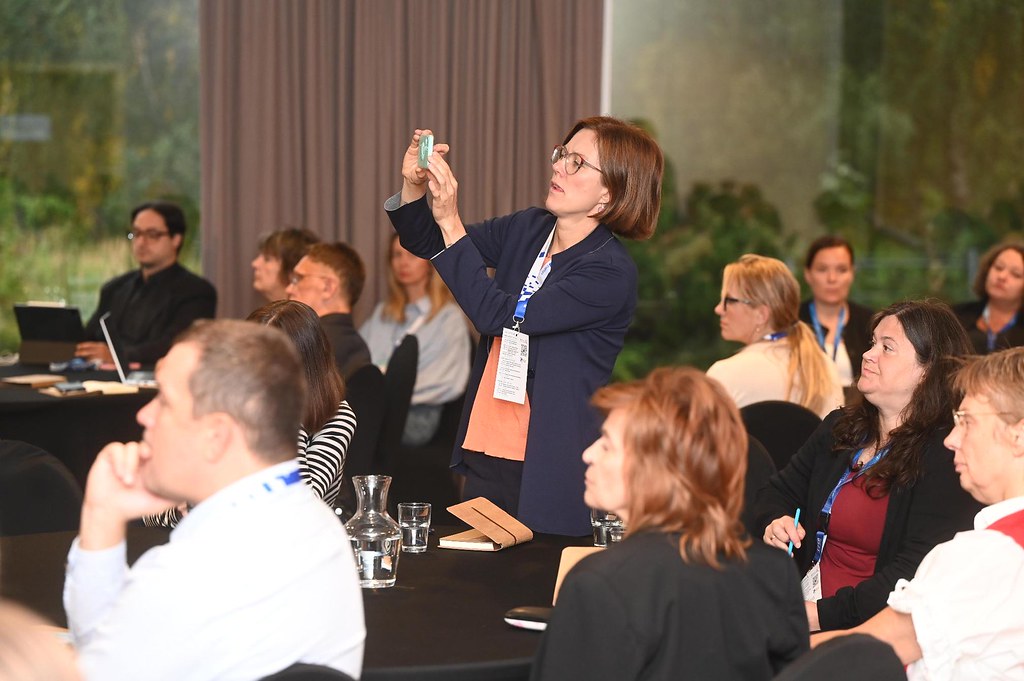
La mattinata finale di lavori si è invece incentrata su alcuni strumenti per la scrittura di un progetto efficace e sulla presentazione delle idee nate dai vari tavoli di lavoro, con le relative riflessioni da parte della plenaria. (QUI i materiali del terzo giorno, in inglese)
Matteo Minà, giornalista, Agenzia nazionale Erasmus+ INDIRE
Foto: Szymon Łaszewski (FRSE)
#ErasmusPEACE
PER APPROFONDIRE
Scopri qui il nuovo progetto PEACE+ e i risultati della prima fase denominata PEACE
(Articolo aggiornato il 7 ottobre 2025)
In Gdynia (Poland), civic engagement is the driving force behind (re)thinking civil society with projects linked to art, creativity and sport, but also contrasting fake news and overtourism
Civic engagement and participation in democratic life will increasingly be at the heart of transnational cooperation partnerships in Higher education. As cross-cutting priorities of Erasmus+, these values will not only be the driving force behind future educational initiatives, but will also contribute to improving civil society as a whole, with real benefits in various areas, from the world of art to solutions to the phenomenon of overtourism, from intergenerational engagement to combating populist ideas and fake news, to sport and creativity.
This is clearly demonstrated by the EU-Engage: Promoting Civic and Democratic Engagement in Higher Education event, which will take place from 29 September to 1 October 2025 in Gdynia, a city in northern Poland. Organised by the Polish National Agency FRSE–Foundation for the Development of the Education System as one of the 2025 stages of the long-term PEACE+ project, focusing on civic engagement and European values and coordinated by the National Agency INDIRE, the TCA seminar was attended by 67 participants from 11 European countries (Belgium, Czech Republic, Germany, Denmark, Estonia, Spain, Italy, Poland, Portugal, Sweden and Turkey), as well as Canada.
The exchange, partnership and capacity-building event aimed to bring together key players in the higher education sector to reflect on how to more effectively promote Participation in democratic life, common values and civic engagement as a horizontal priority of the Erasmus+ programme.
The activities during the three days were designed to facilitate partnership development and the launch and progress of project ideas relevant to civic and democratic engagement in higher education. To achieve this goal, the event was structured around the phases of inspiration, ideation, collaboration and preparation, with the aim of guiding participants through the necessary discussions and initial stages of project development in this area.
During the final session, several project ideas were presented. There was clear interest and willingness on the part of participants to engage in future cooperation partnerships, as eight of the ten projects presented were the focus of ongoing discussions and presentations until the end of the event in Gdynia. Now, the organisers hope that the ideas developed through transnational teamwork will find their place in the future and that they can also be presented in the coming years as good practices born under the PEACE+ project.
Here are the eight project ideas conceived during the event:
- Rediscover Europe: A New Tourism Concept;
- Democracy Here and Now;
- Civic Action Through Mobility Participation – CAMPs;
- Demasking Populist Ideas: Tools for Educators in Higher Education;
- FUNdamental Rights; Empowering Students and Enhancing Knowledge through Art and Creativity;
- Intergenerational Engagement: Cooperation between Generations to Strengthen European Entrepreneurship and Build the Foundations of a New Economy in the Era of Demographic Crisis;
- Community in Motion: Sports for Civic Impact;
- Story Space for Democracy
Going into detail about the seminar activities, moderated by Paul Guest (HERE is the full agenda), the first day saw introductory greetings from Renata Decewicz, Deputy Director, Erasmus+ Higher Education Unit, National
Agency for the Erasmus+ Programme and European Solidarity Corps, followed first by a speech by Cristina Bacalso, Policy Analyst and independent research consultant on the theme of democratic participation as a cross-cutting priority for Erasmus+ (HERE are the slides from her presentation), and then by the presentation of the PEACE+ project, scheduled to run until 2027. (HERE are the materials from the first day)
The following day, before the group work began among the various participants, who discussed ideas for real projects with potential partners in line with the general theme of the event, there was an inspirational panel discussion featuring Agata Komendant-Brodowska from the University of Warsaw, who spoke about a project on anti-polarisation and better democracy, and Katarzyna Kucharska (also from the University of Warsaw), who presented the UNICOMM initiative for active participation by the university community. Dorota Piotrowska (Technical University in Lodz) presented a project to build a comprehensive educational ecosystem for sustainable development goals, and Piotr Wołejsza (Science4People) presented a debunking (anti-fake news) project, with the implementation of teaching methods based on artificial intelligence and digital tools to support the fight against disinformation. (HERE are the materials from the second day)
In the late afternoon, participants had the opportunity to visit the Emigration Museum in Gdynia, which offers an interactive tour recounting the history of emigration from Polish territories spanning hundreds of years.
The final morning of work focused on tools for writing an effective project and presenting the ideas that emerged from the various working groups, with related reflections from the plenary session. (HERE are the materials from the third day)
By Matteo Minà, journalist, Agenzia nazionale Erasmus+ INDIRE
Photographs taken by Szymon Łaszewski (FRSE)
#ErasmusPEACE
FOR MORE DETAILS
Discover here the new PEACE+ project and the results of the first phase, called PEACE
(Article updated on 7 October 2025)