
English version below
Consolidare la cooperazione internazionale tra istituzioni dell’istruzione superiore di Europa e Africa, ampliando le partnership esistenti verso nuovi ambiti tematici e nuovi atenei partner, e promuovendo al tempo stesso alleanze strategiche e forme innovative di collaborazione accademica. Questi i temi al centro della Conferenza “Erasmus+ Aiming Higher: Mediterranean Bridges Across Africa and Europe for Shared Academic Pathways” che si è svolta a Tunisi dal 20 al 23 aprile e dedicata alla dimensione internazionale del Programma Erasmus+.
L’incontro è stato organizzato dall’Agenzia Erasmus+ INDIRE in stretta collaborazione con UniMed, l’Unione delle Università del Mediterraneo e il National Erasmus+ Office in Tunisia. La Conferenza è nata nell’ambito di una Transnational Cooperation Activity ideata da MedNet, una partnership che coinvolge le Agenzie Erasmus+ di Cipro, Croazia, Francia, Grecia, Italia, Malta, Macedonia del Nord, Portogallo, Serbia, Slovenia, Spagna e Turchia, come illustra Claudia Peritore, Capo Unità Istruzione Superiore nell’Agenzia Erasmus+ INDIRE.
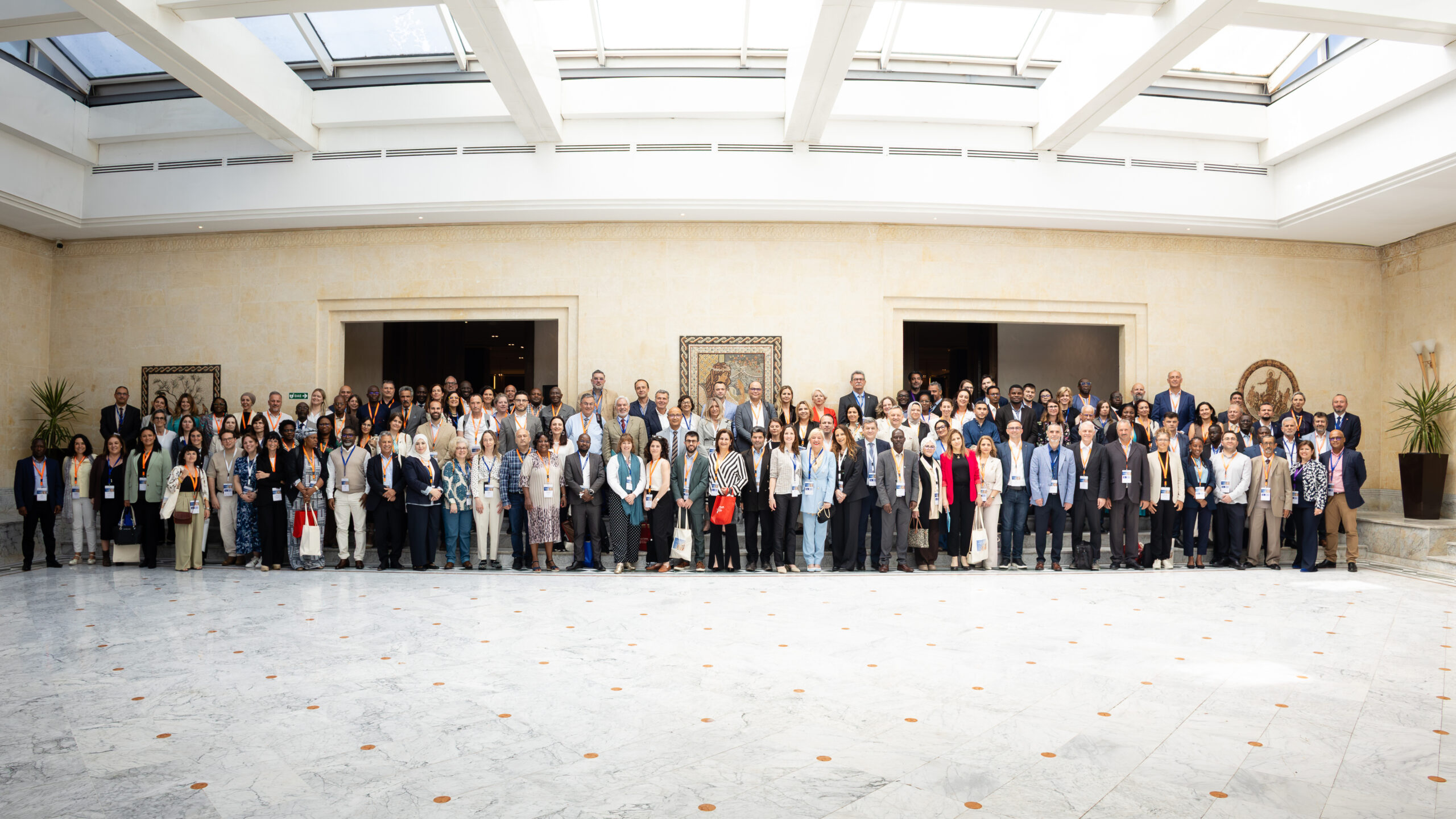
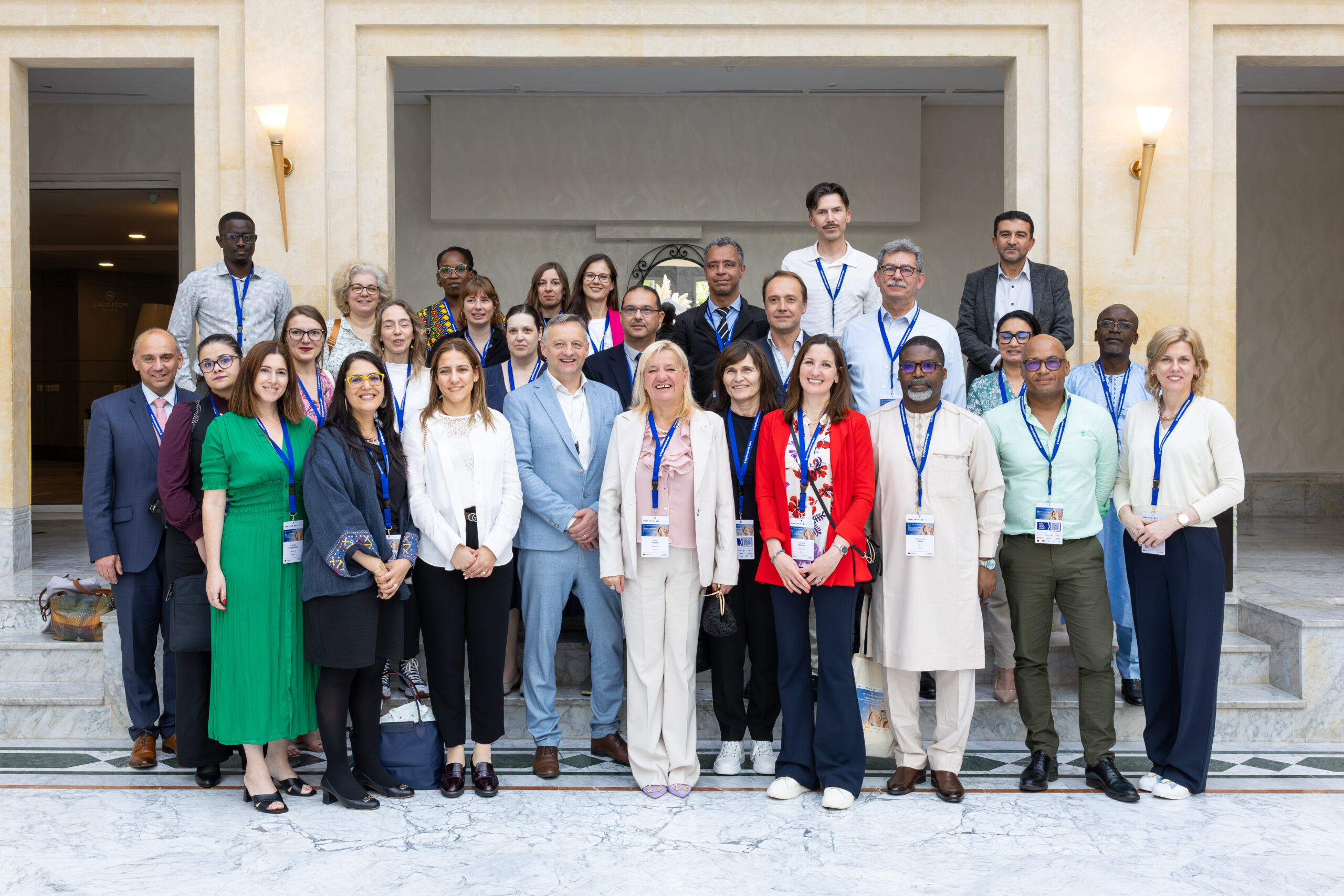
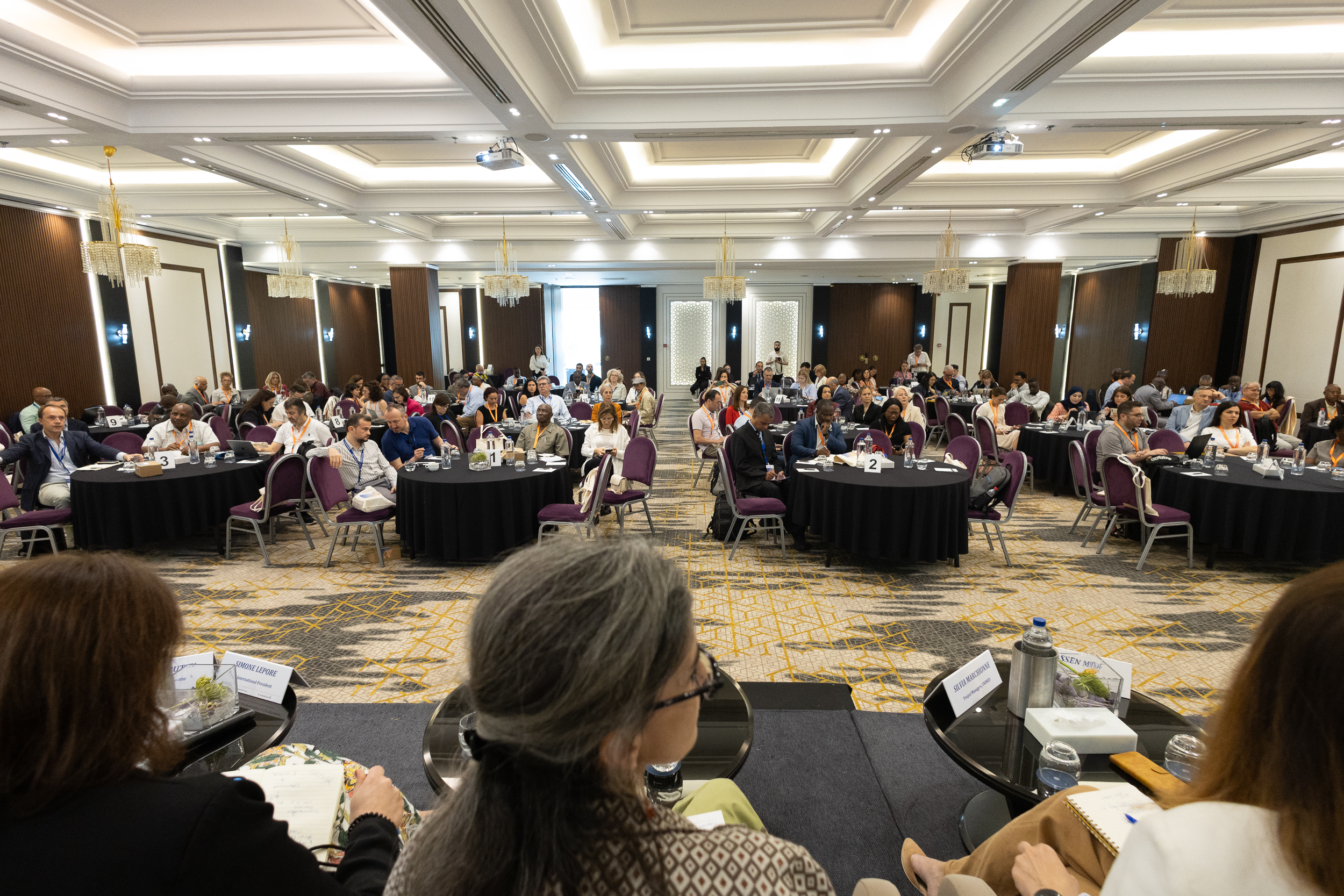
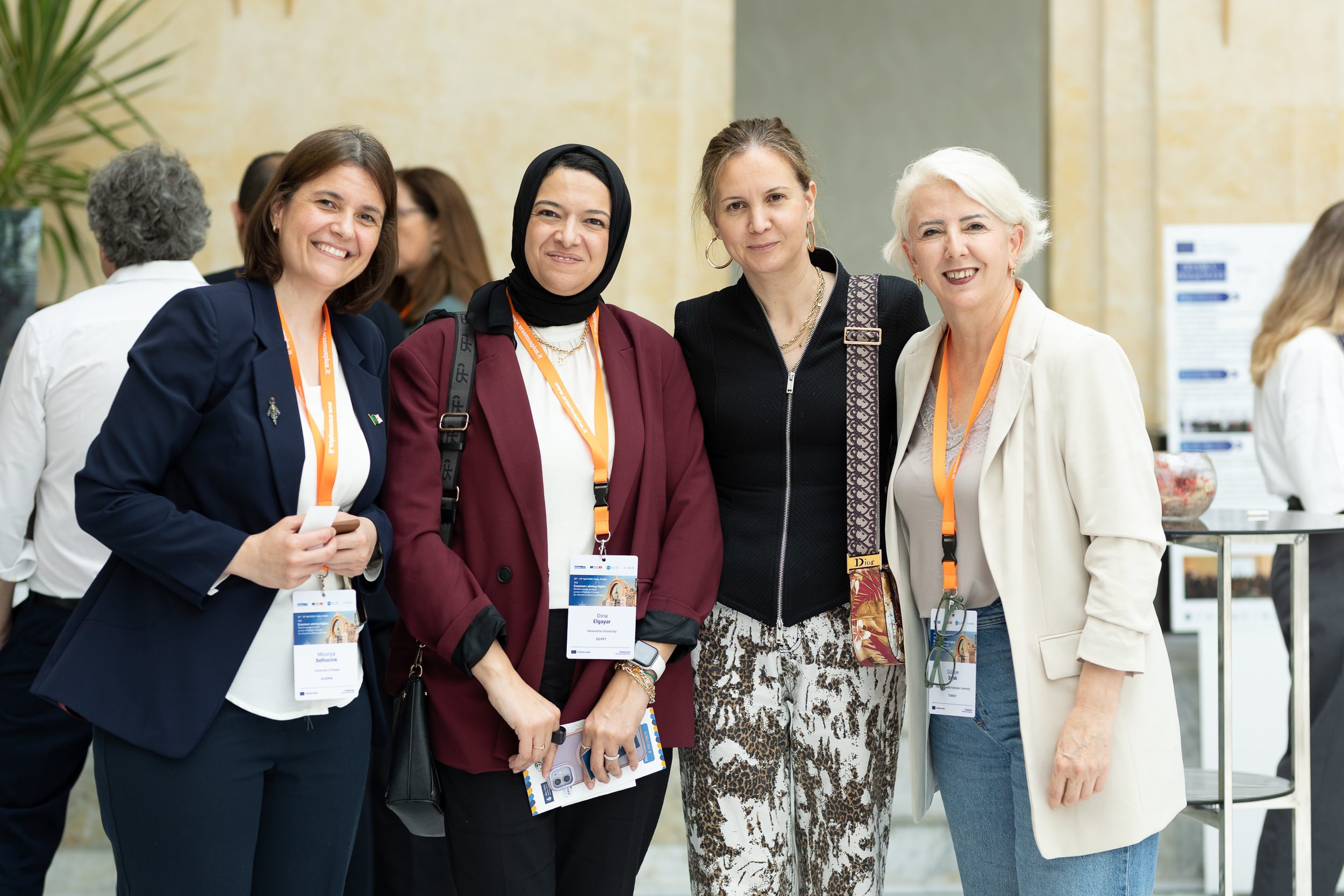
L’evento ha riunito oltre 170 persone da 16 paesi dell’Africa del Mediterraneo meridionale e dall’Africa subsahariana, 12 paesi europei. Hanno preso parte ai lavori rappresentanti di istituzionali, università, Agenzie Nazionali Erasmus+ e stakeholder del settore dell’istruzione superiore provenienti da diversi Paesi europei e africani che hanno condiviso una preziosa occasione di networking, ricerca di nuovi partner e scambio di esperienze.
I lavori si sono aperti con gli interventi istituzionali degli Ambasciatori dell’Unione europea, Giuseppe Perrone e d’Italia in Tunisia, Alessandro Prunas; del Ministro tunisino dell’Istruzione Superiore e della Ricerca Scientifica, Mondher Belaid; della consigliera di amministrazione dell’INDIRE, Letizia Cinganotto, della coordinatrice di Erasmus+ INDIRE, Sara Pagliai e della rete UNIMED, Mediterranean Universities Union con il Direttore Marcello Scalisi (video sotto). In rappresentanza dell’Autorità nazionale nel Ministero italiano dell’Università e Ricerca, è intervenuta da remoto Lavinia Monti, mentre per l’Ufficio Nazionale Erasmus+ Tunisia era presente la coordinatrice Nesrine Baklouti.
La conferenza si è svolta in un momento strategico per rafforzare il ruolo della cooperazione accademica tra Europa e Africa, in vista del futuro Erasmus+ 2028-2034. Consolidare il dialogo tra i territori, creare nuovi ponti tra università, ampliare le reti di cooperazione e promuovere percorsi condivisi significa sperimentare modelli di collaborazione sempre più inclusivi e sostenibili.
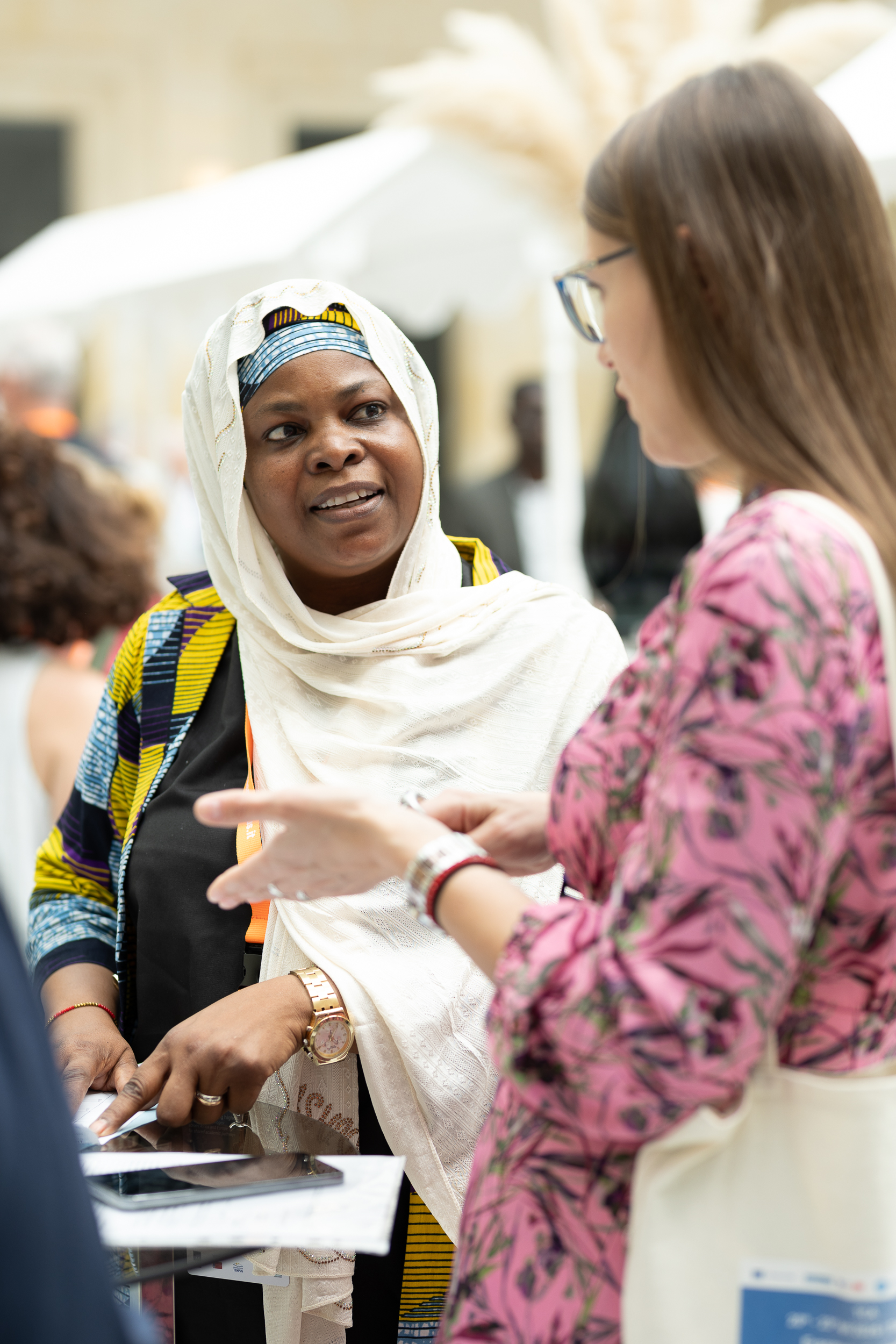
Le sessioni di lavoro hanno approfondito:
- l’impatto delle attività trans-regionali Erasmus+ su studenti e istituzioni con le presentazioni di buone pratiche come l’esperienza di Moses Osabutey, originario del Ghana con esperienze in Erasmus in Islanda che lo hanno portato alla posizione di Communications Manager per ESN – Erasmus Student Networks Islanda;
- le strategie di internazionalizzazione delle università, con esempi concreti come l’Università di Sfax in Tunisia;
- le opportunità di collaborazione accademica e mobilità tra Europa, Africa subsahariana e Mediterraneo meridionale.
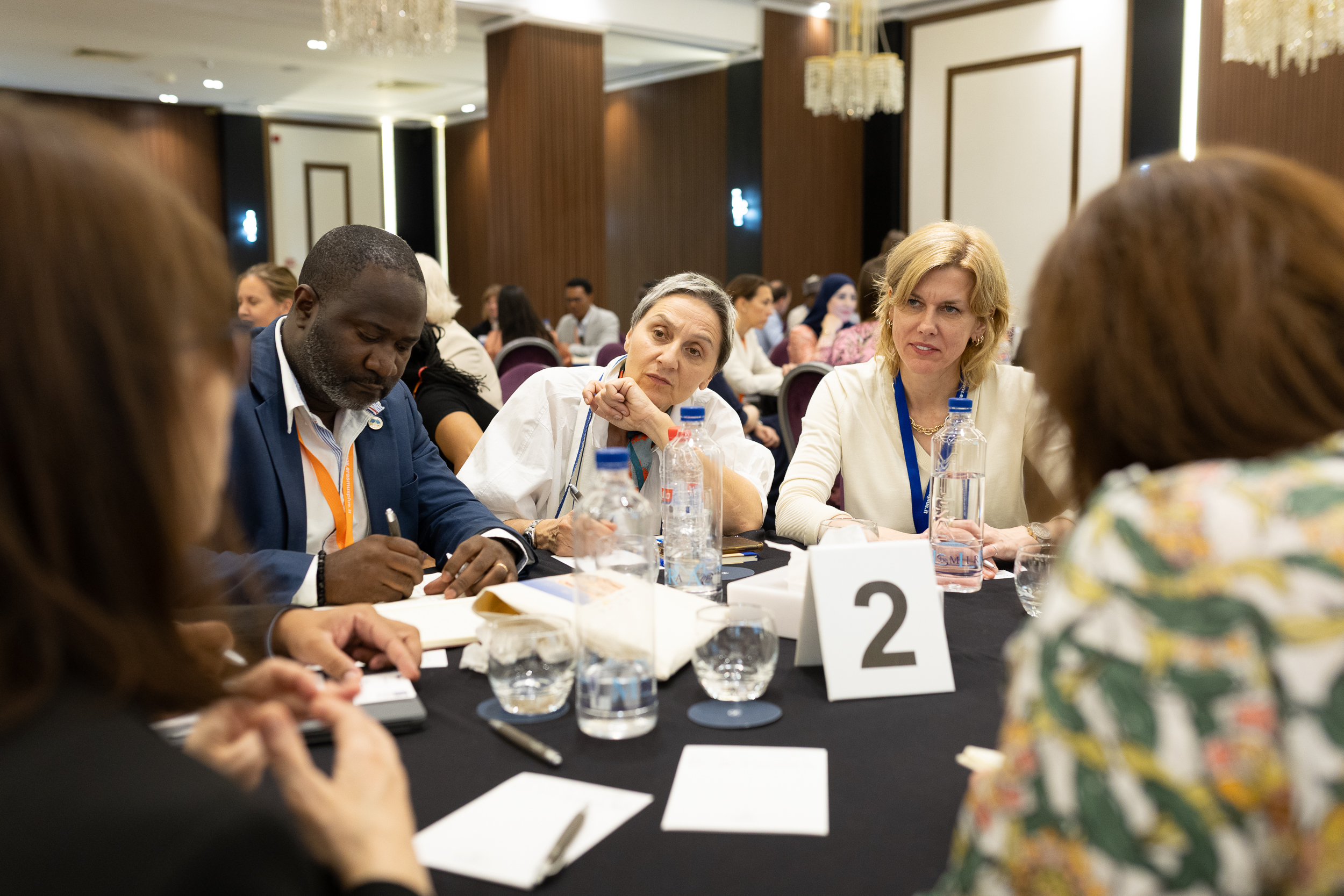
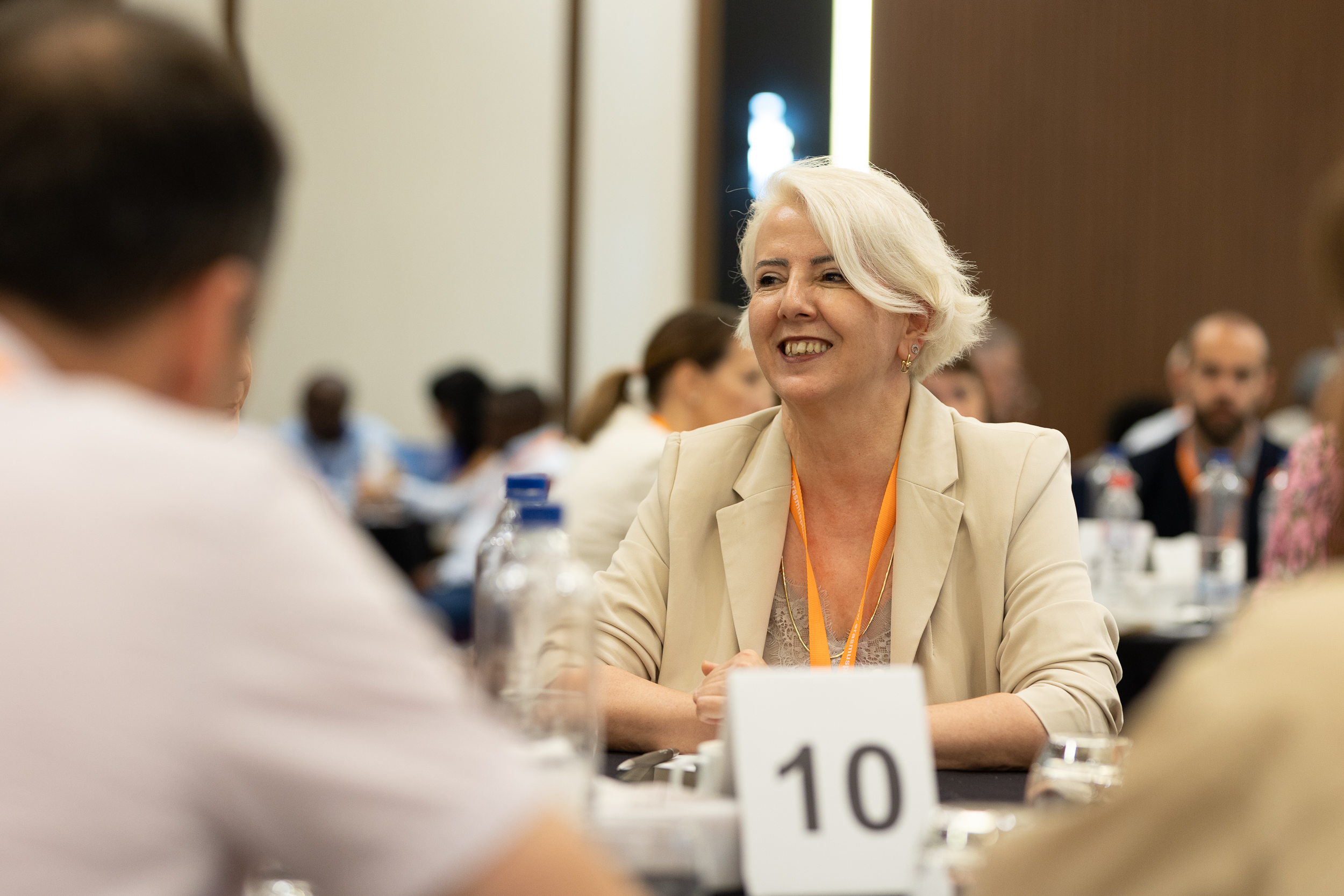
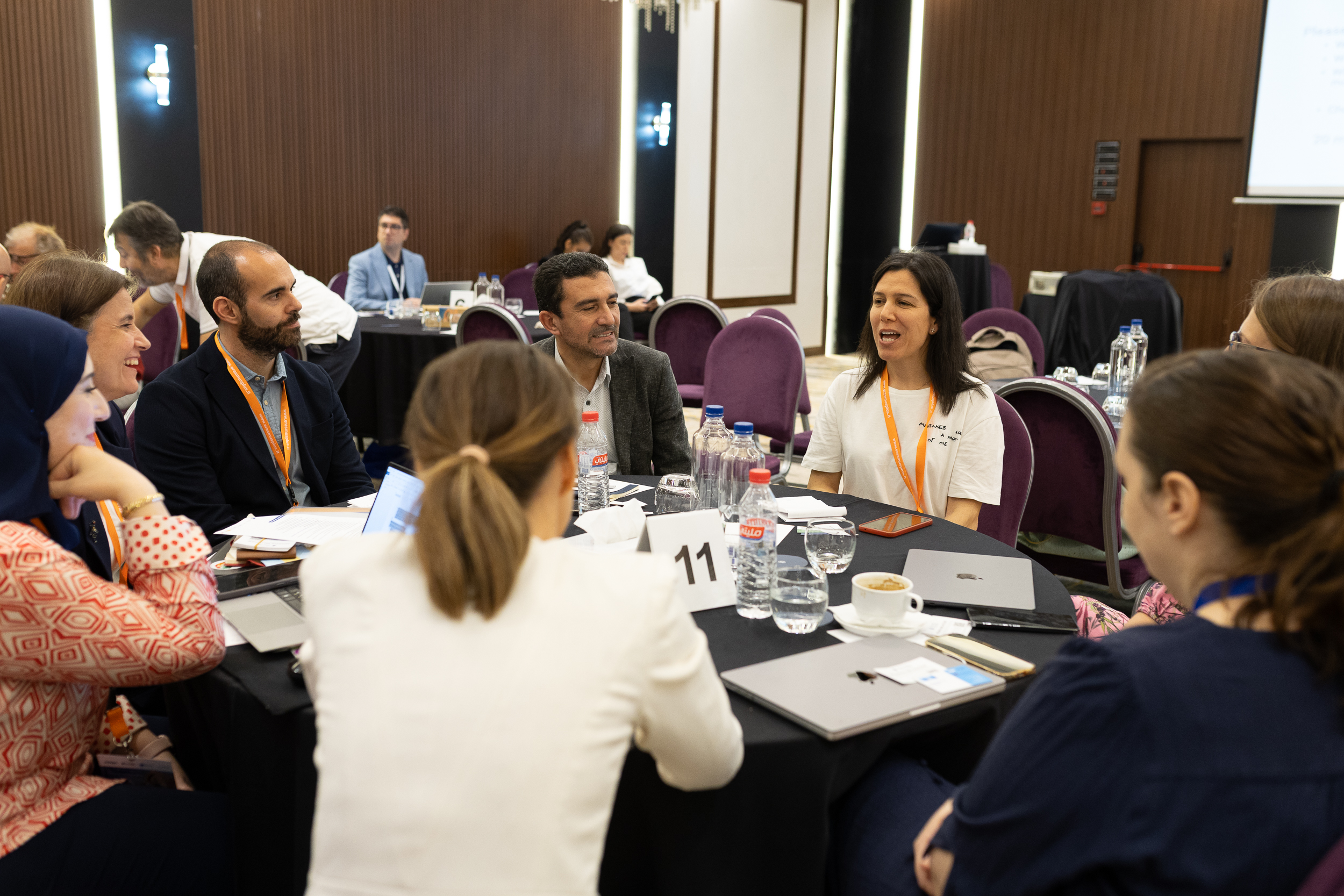
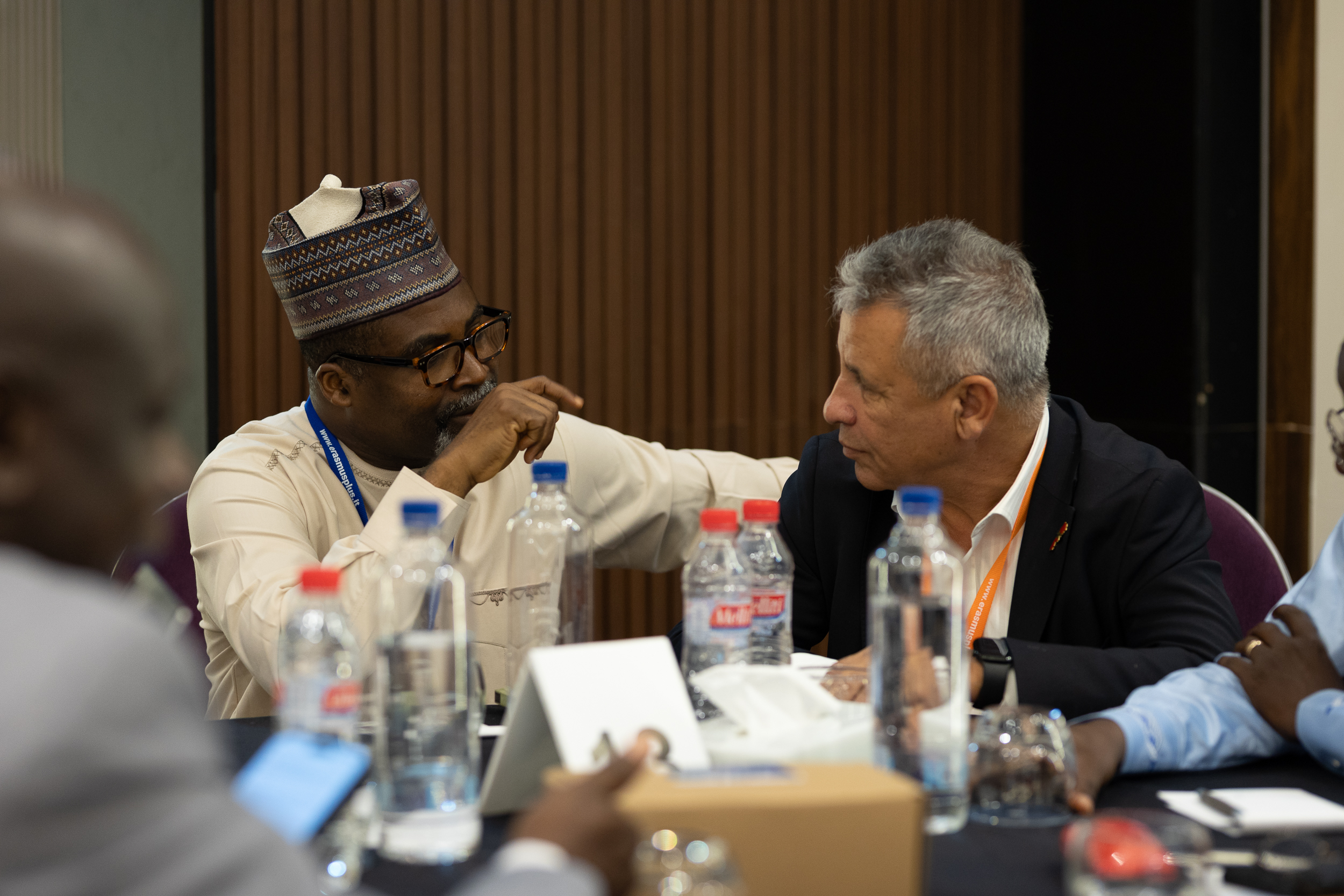
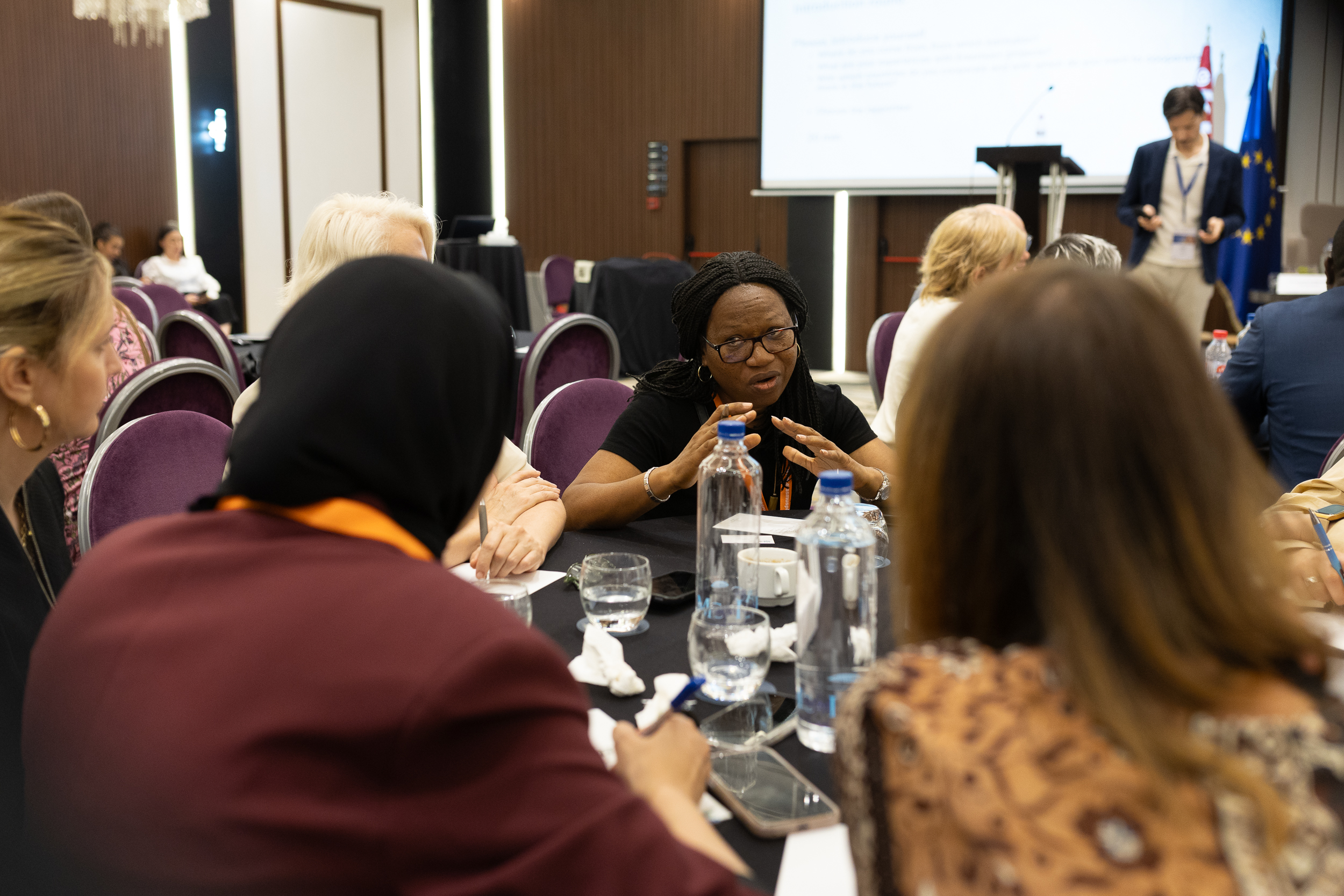
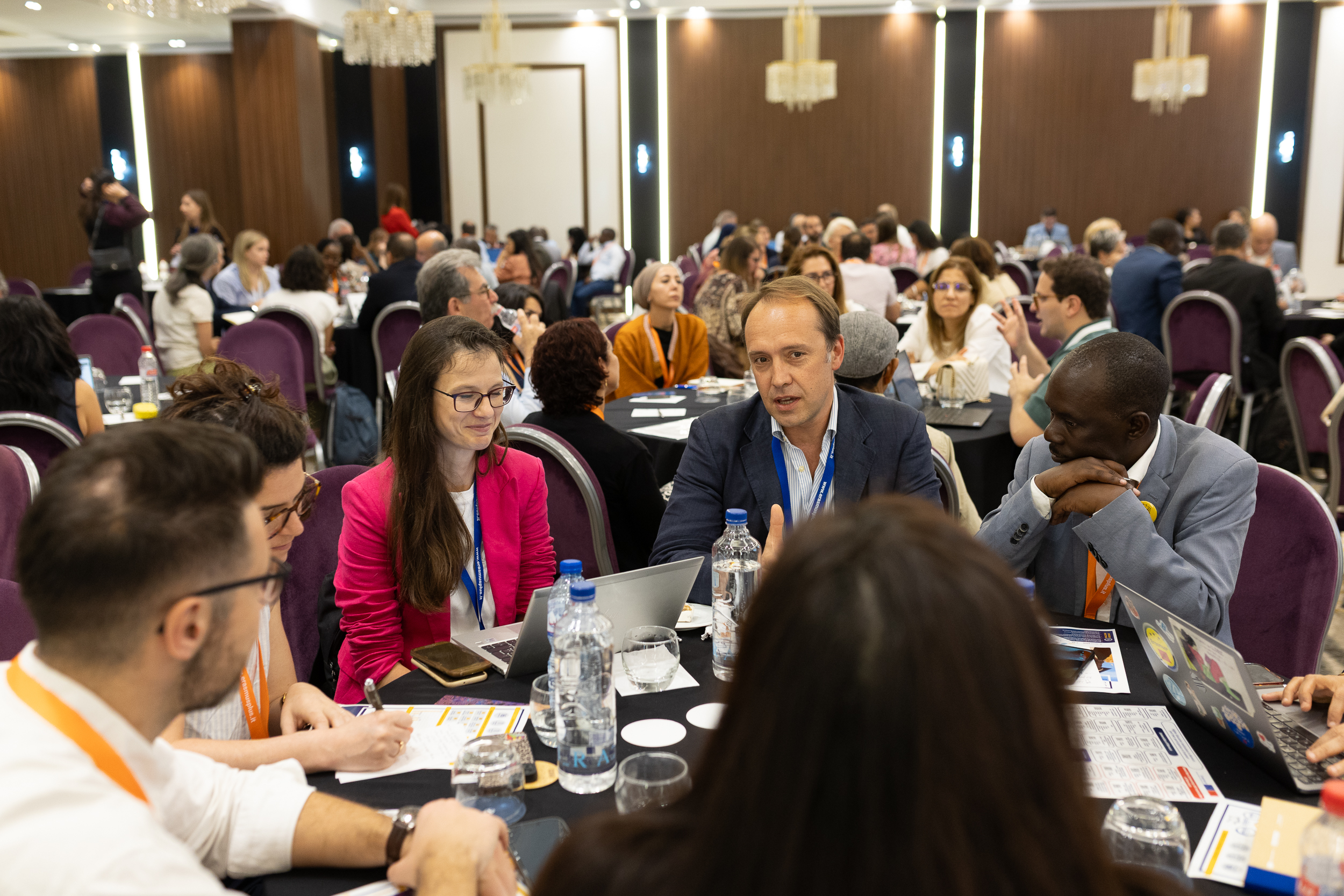
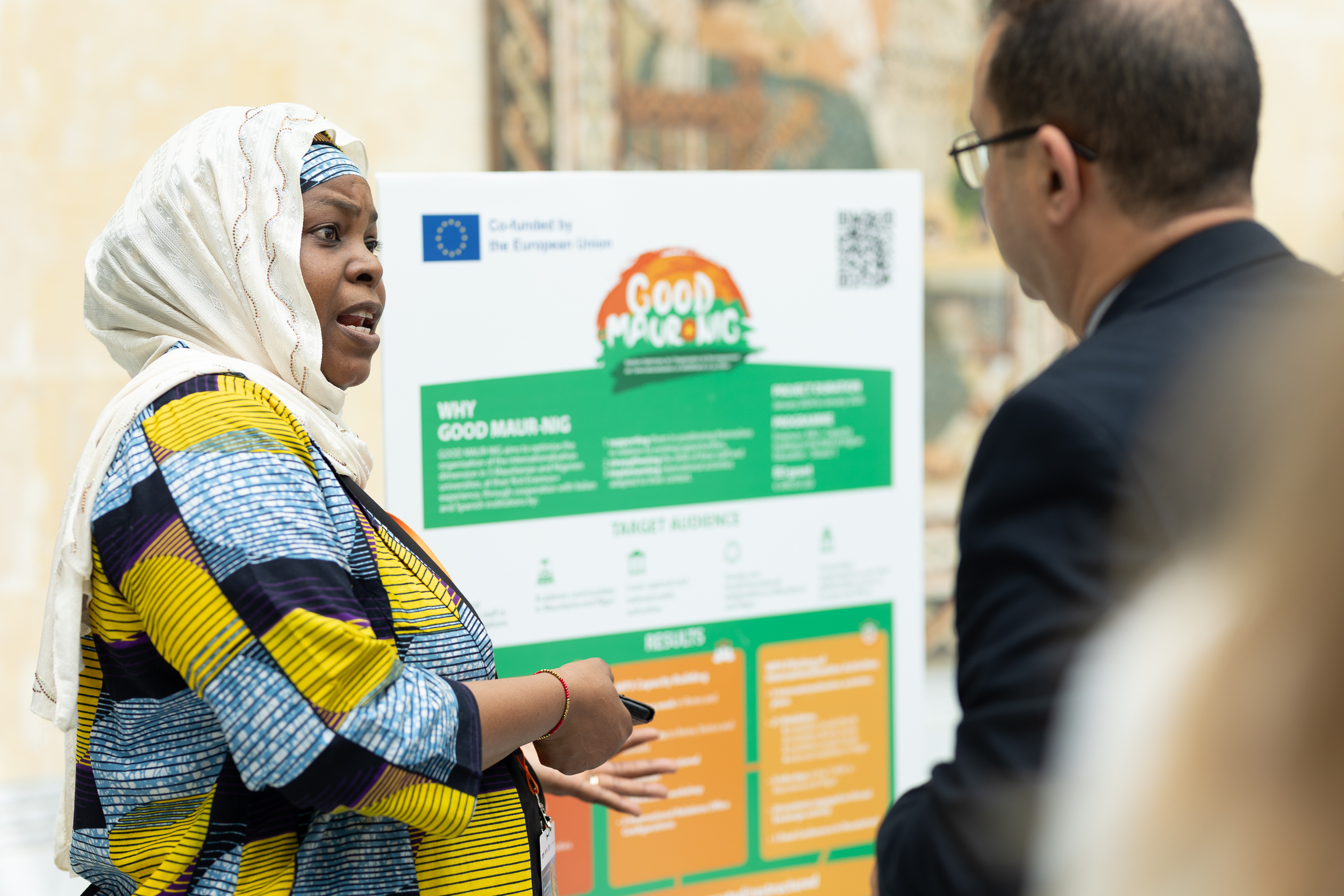
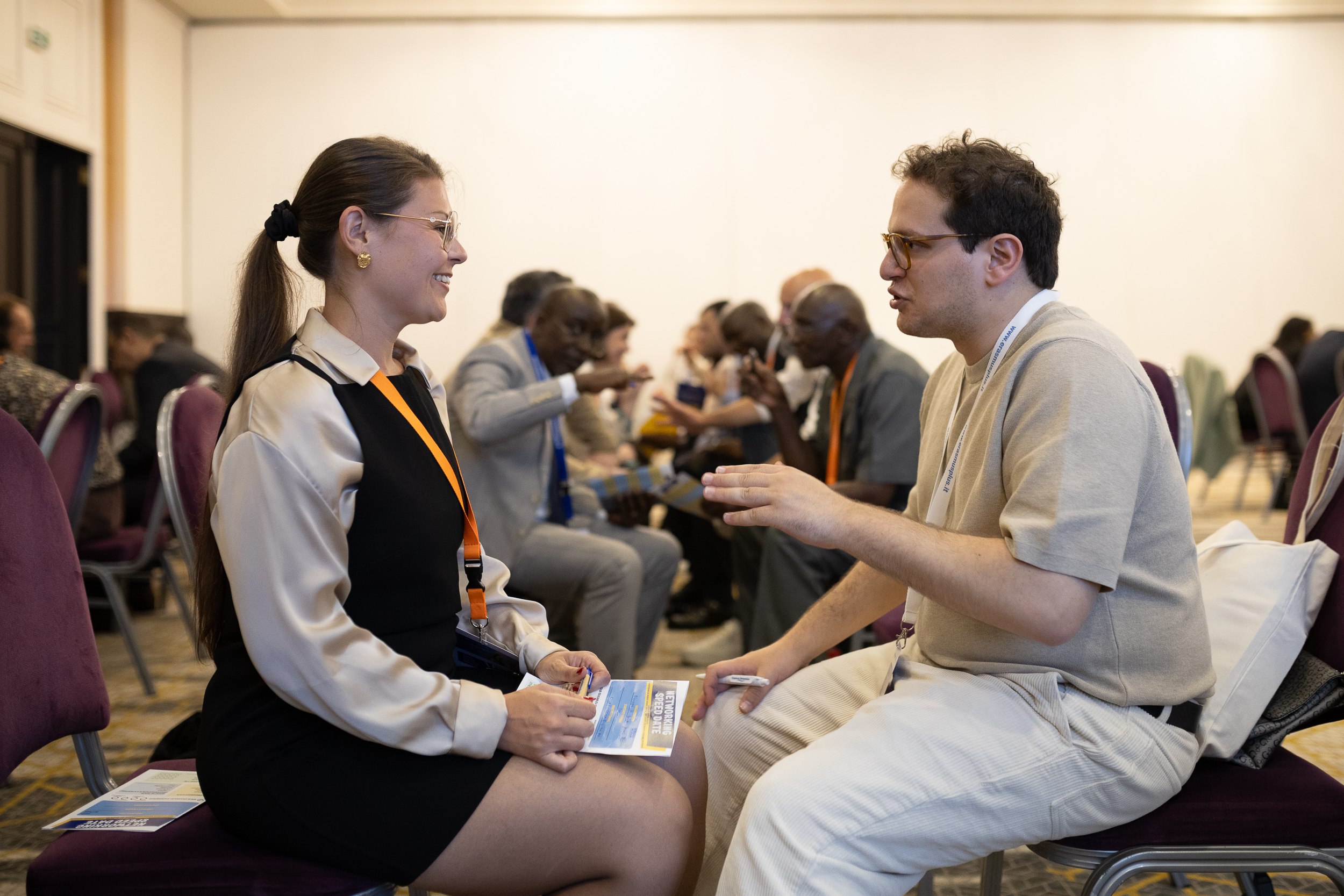
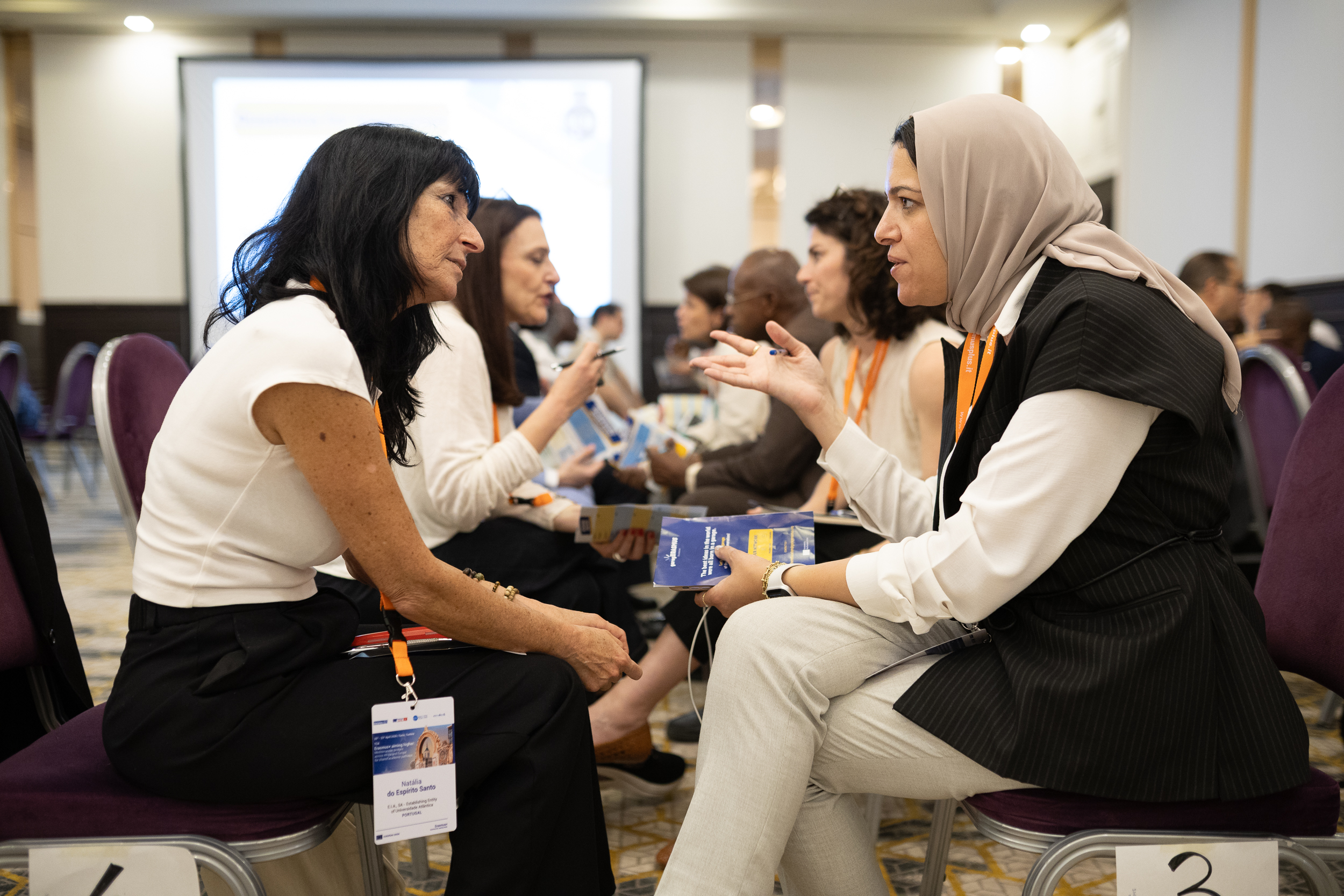
Ampio spazio è stato dedicato al networking tra i partecipanti e alla costruzione di nuove partnership, attraverso sessioni di “speed dating” e incontri tematici facilitati dalle Agenzie Nazionali e dai principali network europei. La poster session nella seconda giornata ha inoltre valorizzato numerosi progetti finanziati nell’ambito delle iniziative di Capacity Building for Higher Education o dei percorsi congiunti Erasmus Mundus e dell’impatto sui singoli partecipanti ai progetti di International Credit Mobility per studenti e staff dell’istruzione superiore, con l’obiettivo di costruire percorsi accademici condivisi e sempre più inclusivi tra le due sponde del Mediterraneo e il continente africano.
Tra i momenti chiave, la sessione “Africa meets Europe” e il dibattito su “Africa–Europe Academic Cooperation: Pathways towards a Sustainable and Inclusive World”, che hanno rafforzato il dialogo strategico tra i due continenti.
L’evento si è concluso con attività culturali e momenti informali di networking, favorendo la creazione di nuove sinergie e consolidando collaborazioni esistenti.
La conferenza ha confermato il ruolo centrale del Programma Erasmus+ come strumento di diplomazia accademica e cooperazione internazionale, capace di promuovere innovazione, inclusione e sviluppo condiviso tra Europa e Africa. Per l’Agenzia rappresenta un ulteriore progresso verso un’istruzione superiore realmente internazionale, capace di offrire maggiori opportunità di mobilità a studenti e docenti, favorire la crescita delle competenze e sostenere sistemi di istruzione superiore aperti e innovativi.
Per Approfondire:
Conference proceedings – Atti della Conferenza
Conference Programme – Programma della conferenza
The international dimension of the current Erasmus+ Programme (2021-2027) and reflections on the future Erasmus+ Programme (2028-2034) Filip Van Depoele, International Cooperation Unit, DG EAC
The International Dimension of Erasmus+: Students’ Perspectives on Cross-Regional Mobility, Simone Lepore, Presidente ESN International e Osabutey Moses, Communication manager ESN Iceland
Designing the future of Erasmus+: from mobility numbers to transformation mobility, Hichem Romdhami, Head of International Relations Office, University of Soussa, Tunisia
Media
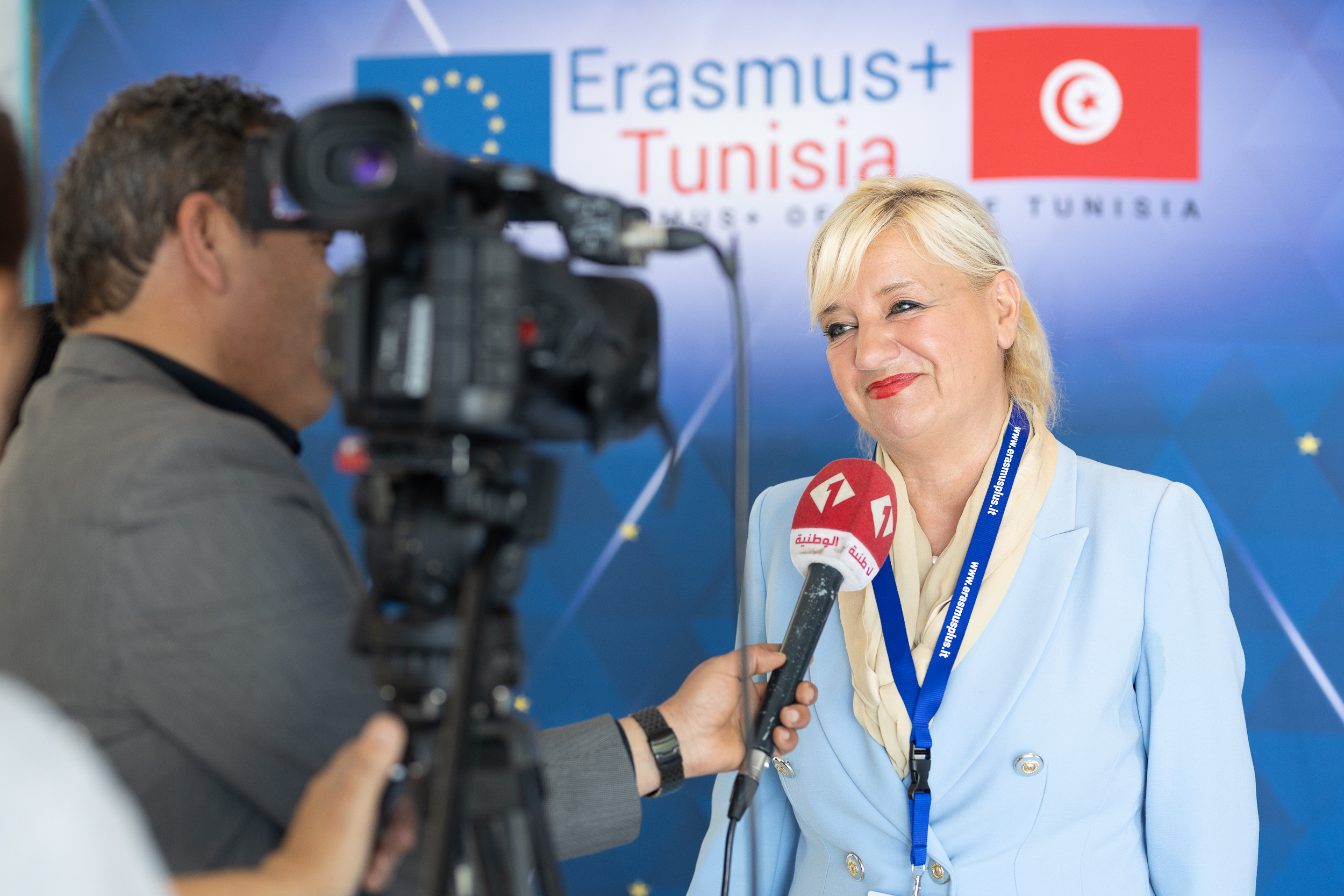
Foto Gallery completa della conferenza
Al-fanar Media
University World News
“African institutions push for ‘shared academic pathways”
di Elena Maddalena
Agenzia Erasmus+ INDIRE
English version
“Erasmus+ Aiming Higher: Mediterranean Bridges Across Africa and Europe for Shared Academic Pathways”
To strengthen international cooperation between higher education institutions in Europe and Africa, expanding existing partnerships to cover new thematic areas and new partner universities, whilst promoting strategic alliances and innovative forms of academic collaboration. These were the key themes of the conference “Erasmus+ Aiming Higher: Mediterranean Bridges Across Africa and Europe for Shared Academic Pathways”, which took place in Tunis from 20 to 23 April and was dedicated to the international dimension of the Erasmus+ Programme.
The event was organised by the Erasmus+ Agency INDIRE in close collaboration with UniMed, the Union of Mediterranean Universities, and the National Erasmus+ Office in Tunisia. The conference was organised as part of a Transnational Cooperation Activity devised by MedNet, a partnership involving the Erasmus+ Agencies of Cyprus, Croatia, France, Greece, Italy, Malta, North Macedonia, Portugal, Serbia, Slovenia, Spain and Turkey.
The event brought together over 170 people from 16 countries in Southern Mediterranean Africa and Sub-Saharan Africa, as well as 12 European countries. Representatives from institutions, universities, National Erasmus+ Agencies and stakeholders in the higher education sector from various European and African countries took part in the proceedings, sharing a valuable opportunity for networking, seeking new partners and exchanging experiences.
The proceedings began with opening addresses from the Ambassadors of the European Union, Giuseppe Perrone and Italy to Tunisia,Alessandro Prunas, the Tunisian Minister for Higher Education and Scientific Research, Mondher Belaid; INDIRE board member Letizia Cinganotto; INDIRE’s Erasmus+ coordinator, Sara Pagliai; and the UNIMED network, represented by its Director Marcello Scalisi. Representing the National Authority within the Italian Ministry of Universities and Research, Lavinia Monti spoke remotely, whilst Nesrine Baklouti, coordinator of the Tunisian National Erasmus+ Office, was present in person.
The conference took place at a strategic moment to strengthen the role of academic cooperation between Europe and Africa, in view of the future Erasmus+ 2028–2034 programme. Consolidating dialogue between regions, building new bridges between universities, expanding cooperation networks and promoting shared pathways means experimenting with increasingly inclusive and sustainable models of collaboration.
The working sessions explored:
• the impact of Erasmus+ trans-regional activities on students and institutions, with presentations of good practices such as the experience of Moses Osabutey, originally from Ghana, whose Erasmus experiences in Iceland led him to the position of Communications Manager for ESN – Erasmus Student Networks Iceland;
• universities’ internationalisation strategies, with concrete examples such as the University of Sfax in Tunisia;
• opportunities for academic collaboration and mobility between Europe, sub-Saharan Africa and the Southern Mediterranean.
Ample time was devoted to networking among participants and the establishment of new partnerships, through ‘speed dating’ sessions and thematic meetings facilitated by the National Agencies and the main European networks. The poster session on the second day also highlighted numerous projects funded under the Capacity Building for Higher Education initiatives or the joint Erasmus Mundus programmes, as well as the impact on individual participants in International Credit Mobility projects for students and higher education staff, with the aim of building shared and increasingly inclusive academic pathways between the two shores of the Mediterranean and the African continent.
Key highlights included the ‘Africa meets Europe’ session and the debate on ‘Africa–Europe Academic Cooperation: Pathways towards a Sustainable and Inclusive World’, which strengthened the strategic dialogue between the two continents.
The event concluded with cultural activities and informal networking opportunities, fostering the creation of new synergies and consolidating existing collaborations.
The conference confirmed the central role of the Erasmus+ Programme as a tool for academic diplomacy and international cooperation, capable of promoting innovation, inclusion and shared development between Europe and Africa. For the Agency, this represents a further step towards a truly international higher education system, capable of offering greater mobility opportunities to students and staff, fostering skills development and supporting open and innovative higher education systems.
Resources:
The international dimension of the current Erasmus+ Programme (2021-2027) and reflections on the future Erasmus+ Programme (2028-2034) Filip Van Depoele, International Cooperation Unit, DG EAC
The International Dimension of Erasmus+: Students’ Perspectives on Cross-Regional Mobility, Simone Lepore, Presidente ESN International e Osabutey Moses, Communication manager ESN Iceland
Designing the future of Erasmus+: from mobility numbers to transformation mobility, Hichem Romdhami, Head of International Relations Office, University of Soussa, Tunisia
Media
International Press
Al-fanar Media
University World News